
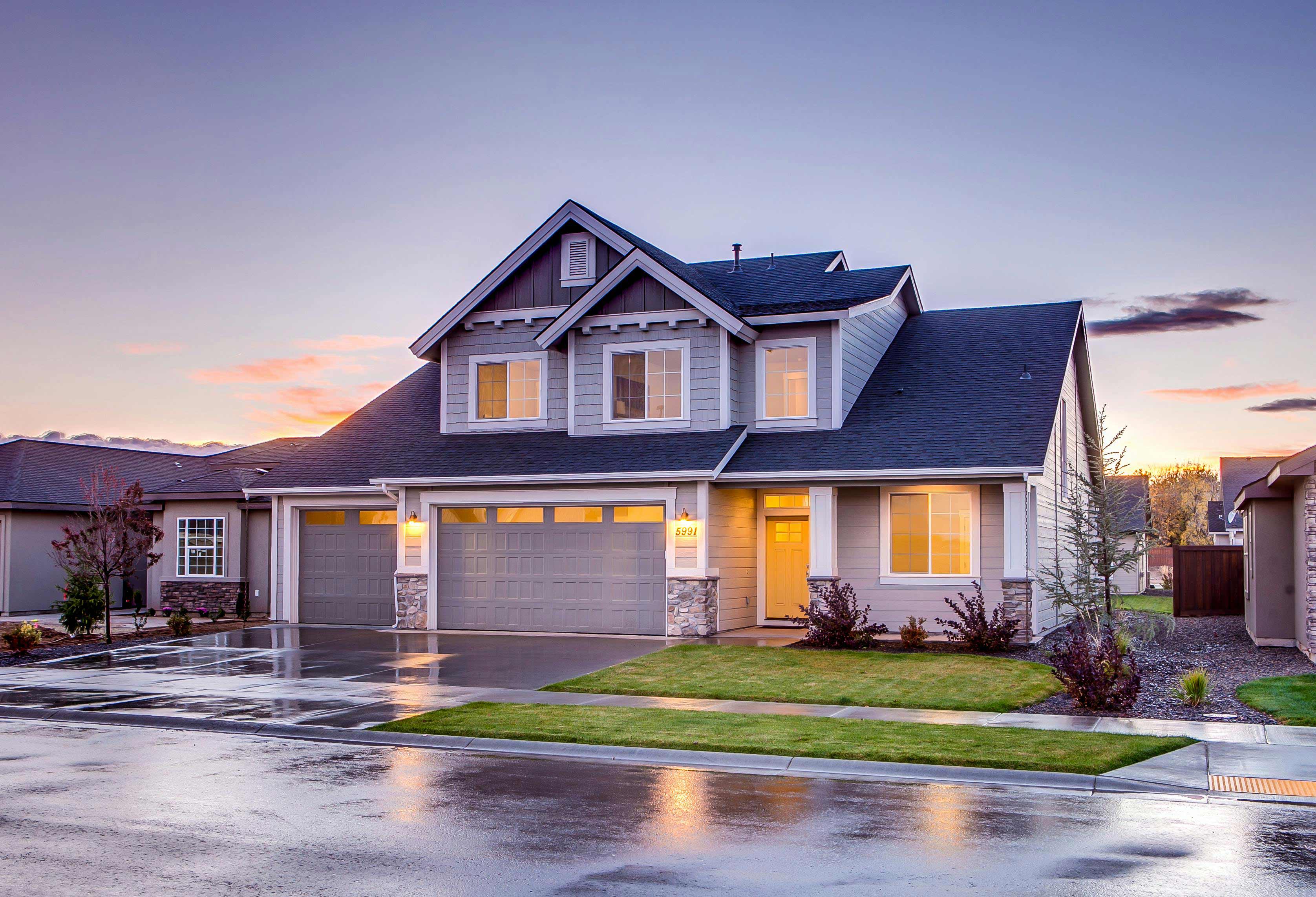
Many homeowners want a beautiful yard but don’t want to spend every weekend maintaining it. With smart design choices, it’s possible to create low-maintenance landscaping that still looks vibrant and inviting.
For homeowners with Washougal yards, the Pacific Northwest climate offers great opportunities for sustainable and easy-care landscapes.
What Makes a Yard Low Maintenance?
Low-maintenance landscapes reduce the need for frequent mowing, watering, pruning, and fertilizing.
The key principles include:
• Using hardy plants suited to the local climate
• Reducing lawn areas
• Installing efficient irrigation systems
• Using mulch and groundcovers
These strategies create sustainable landscaping that thrives with minimal upkeep.
Reduce Lawn Areas
Traditional lawns require constant mowing, watering, and fertilizing. Replacing portions of lawn with planting beds, pathways, or gravel areas significantly reduces maintenance.
Many Washougal yards benefit from mixing lawn space with:
• Native plants
• Decorative gravel areas
• Perennial flower beds
• Small patio spaces
Choose Native and Drought-Tolerant Plants
Plants adapted to the Pacific Northwest naturally require less water and maintenance.
Popular low-maintenance plants include:
• Lavender
• Ornamental grasses
• Sedum
• Oregon grape
• Salvia
These plants thrive in sustainable landscaping designs and attract pollinators as well.
Use Mulch to Reduce Weeds
Mulch is one of the simplest ways to reduce yard maintenance.
Benefits include:
• Suppresses weeds
• Retains soil moisture
• Improves soil health
• Enhances garden appearance
A fresh layer of mulch each spring keeps beds looking clean and healthy.
Install Efficient Irrigation
Drip irrigation systems provide water directly to plants while minimizing waste. This saves time and ensures plants receive consistent moisture during dry summer months.
Enjoy a Yard That Works for You
The goal of low-maintenance landscaping isn’t eliminating beauty—it’s creating a yard that supports your lifestyle.
By designing Washougal yards with sustainable plants, reduced lawn space, and efficient watering systems, homeowners can enjoy their outdoor space without constant upkeep.